
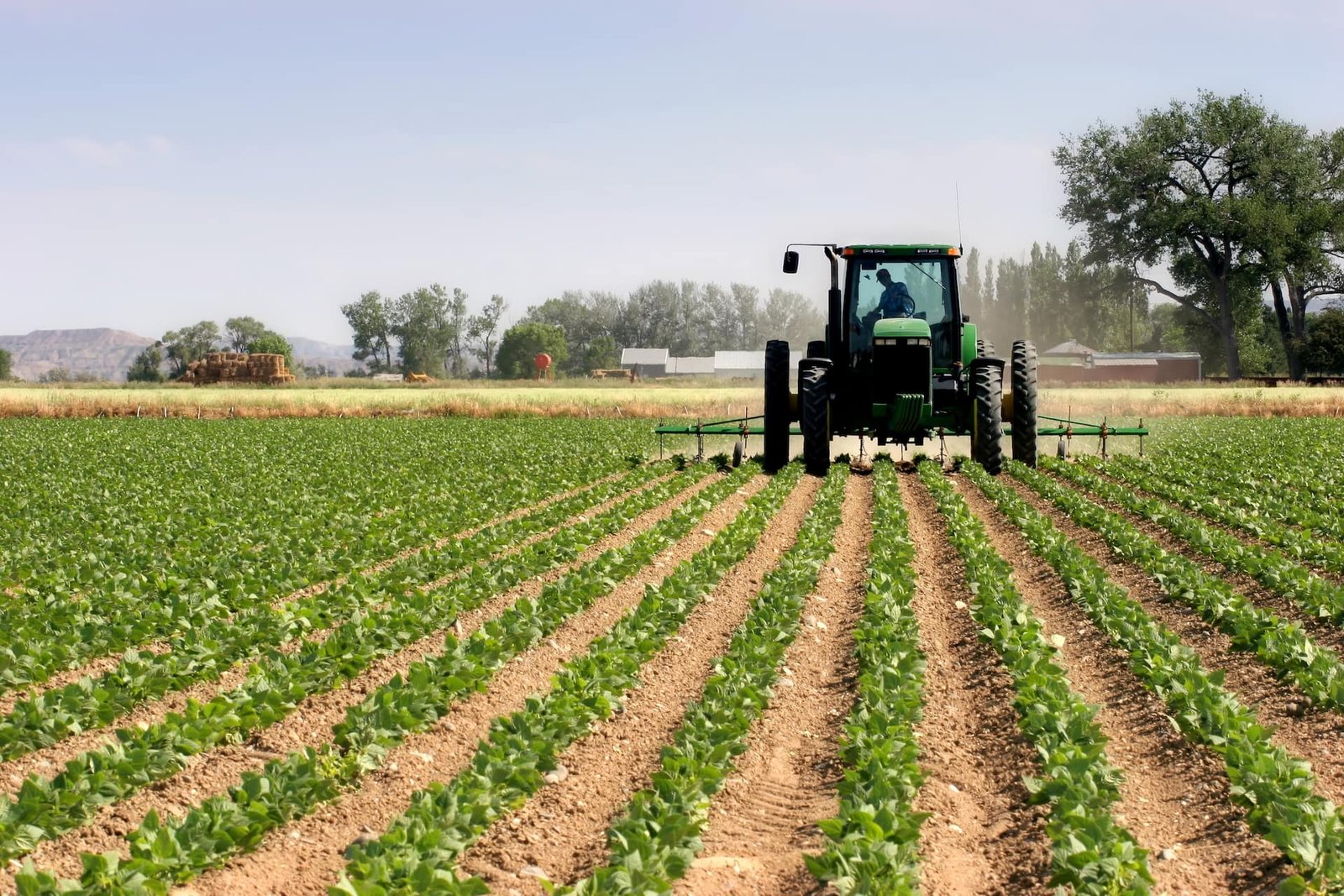
Every grower has felt it. A spray window closes sooner than expected. A planting date slips because equipment or labor is not available. A short stretch of good weather goes unused, and the rest of the season feels like playing catch up.
Delayed fieldwork does not always show up as a single mistake. More often, it shows up as reduced yield, uneven growth, higher input costs, or unplanned extra passes. These delays add up quietly, and by the time harvest arrives, the cost is already locked in.
In California agriculture, where timing is tight and conditions change quickly, missed windows are becoming one of the most expensive problems farms face.
Weather Delays Shrink the Margin for Error
Weather has always dictated farm schedules, but variability has increased. Shorter spray windows, unexpected rain events, heat spikes, and wind restrictions are leaving less room to adjust.
When work is delayed by weather, growers often have only a narrow window to respond. If crews or equipment are not ready when conditions improve, the opportunity is lost. That delay can lead to pest pressure, disease spread, uneven emergence, or reduced crop quality.
The cost of missing a weather window is rarely just the cost of the job itself. It is the downstream impact on the entire season.
Labor Availability Compounds Delays
Even when the weather cooperates, labor availability can prevent work from getting done on time. Skilled operators are harder to find, and seasonal labor shortages affect everything from spraying to planting to irrigation work.
When labor is stretched thin, growers are forced to prioritize certain fields or tasks while others wait. That waiting period is often where value is lost. A field that should have been sprayed or planted on time ends up falling behind, not through any fault of the crop itself.
Access to reliable crews at the right moment is now just as important as having the right equipment.
Equipment Bottlenecks Create Hidden Risk
Owning equipment does not always guarantee availability. Breakdowns during peak season, overlapping job demands, or limited operators can turn a small issue into a major delay.
Some equipment is only used for a few weeks a year, yet it becomes critical during those weeks. When something goes wrong, repairs or scheduling conflicts can push work past ideal timing.
As farms scale or manage multiple blocks, these bottlenecks become harder to manage without outside support.
The Compounding Cost of Missed Windows
Delayed fieldwork often forces growers to make reactive decisions. Additional inputs may be needed to recover. Extra passes increase fuel and labor costs. Yield loss may not be visible until later, but it still affects the bottom line.
These costs are difficult to measure precisely, which makes them easy to underestimate. Over time, repeated delays erode consistency and profitability.
Reducing missed windows is not about perfection. It is about increasing the odds that work gets done when it should.
How Technology Is Helping Growers Stay Ahead
Technology is playing an increasingly important role in helping farms reduce missed windows. Real time weather data, field condition monitoring, and digital planning tools allow growers to see problems coming earlier.
Digital scheduling and service coordination tools give visibility into availability before work becomes urgent. Instead of scrambling when conditions line up, growers can plan and adjust quickly as weather shifts.
Access to timely information and clear scheduling reduces guesswork and allows farms to act decisively when opportunities appear.
Planning Earlier Reduces Risk
One of the biggest changes in successful operations is earlier planning. Growers are lining up services weeks or months in advance, rather than waiting until the last minute.
Early booking does not lock growers into rigid schedules. It creates options. When the weather opens a window, crews and equipment are already aligned to respond.
This shift from reactive to proactive planning is helping farms regain control over timing.
How Agnomy Helps Reduce Missed Fieldwork Windows
Agnomy helps growers plan, find, and coordinate agricultural services before timing becomes critical. Instead of relying on last minute calls or word of mouth, growers can see available service providers, request work early, and stay organized as conditions change.
From spraying and planting to land preparation and seasonal fieldwork, Agnomy makes it easier to book services in advance and maintain visibility into availability. That planning helps reduce delays, protect yield, and keep operations moving when timing matters most.